Commercial interiors need a floor that supports a design concept without creating a second job for facilities teams. Hardwood SPC flooring pairs a convincing timber visual with a dense stone-plastic composite core and a practical, water-resistant surface. For offices, retail, hospitality and multi-family common areas, value is measured in predictable cleaning, fewer disruption days and a finish that stays consistent under daily traffic.
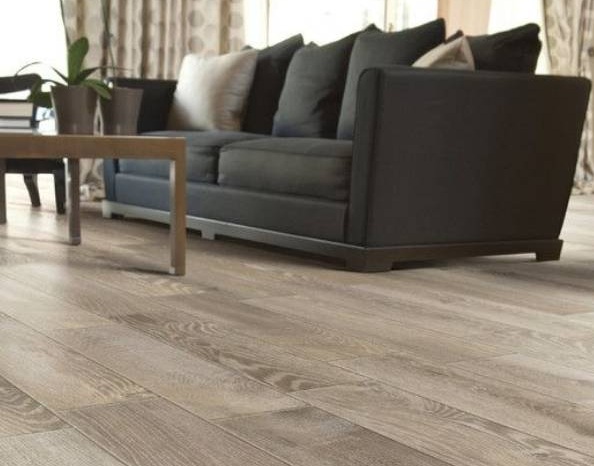
Low maintenance is not maintenance-free. It means routine soil can be removed with simple equipment, spills handled quickly, and no periodic sanding, waxing, or refinishing. A hardwood SPC flooring system also limits hidden costs from uneven subfloors, damaged edges, and mismatched replacement planks.
For a facilities manager, the useful metric is total intervention over the service period. A floor that needs fewer specialist treatments can keep rooms available and make labor more predictable. The specification should therefore describe daily cleaning, periodic inspection and localized repair, not merely label the product as easy to clean. It should also identify who is responsible for entrance matting, spill response and furniture protection after handover.
Map entrances, service counters, corridors and wet-adjacent zones. Grit at doors causes scratching; standing water challenges joints and perimeter details. Our care guidance recommends soft-bristled sweeping or a soft-brush vacuum, then a slightly damp microfiber mop with mild SPC cleaner. Exclude harsh chemicals, abrasive pads, and saturated mops.
Cleaning frequency should follow soil load rather than a fixed calendar. A street-facing retail entrance may need several dry-cleaning passes each day, while a private meeting room may need much less. Separating dry soil removal from damp cleaning matters: loose grit should be lifted before a mop moves it across the wear surface. Prompt spill response also reduces the chance that liquid remains at joints, walls or penetrations.
Hardwood SPC flooring uses a transparent wear layer, decorative wood film, rigid SPC core, and often a backing layer. The rigid core resists compression better than softer resilient constructions, but depends on a flat, dry substrate.
Each layer solves a different operational problem. Surface treatment influences stain release and gloss retention; the wear layer protects the printed design; embossing affects the tactile match between grain and image; and the core controls most of the plank rigidity. An attached IXPE or EVA backing may contribute cushioning and sound control, but it does not correct a rough or out-of-tolerance subfloor. Confirm that any separate underlayment is approved for the locking system.
Specify wear-layer thickness with abrasion classification. Request datasheets, installation method, dimensional tolerances, and slip documentation for the target market. Click-lock profiles can shorten installation, but expansion gaps, perimeter restraint and transitions must follow instructions.
Do not select based on overall plank thickness alone. Two planks of similar thickness can differ in wear layer, locking geometry, surface texture and backing. Commercial buyers should compare like-for-like test reports and confirm that submitted samples represent the supplied construction. Where wheeled chairs, display racks or rolling loads are expected, ask the supplier and installer to review concentrated loads and movement paths before approval.
Choose calm oak for offices, darker walnut for hospitality or herringbone for boutique retail. At UTOP SPC FLOOR, Our wood-grain and herringbone references allow one cleaning regime across zones. Coordinate reducers, T-mouldings, end caps and stair noses to protect edges and simplify replacement.
Visual repetition deserves attention in large open areas. Review several planks together, rotate or stagger them according to the installation plan, and avoid grouping distinctive knots. Low-gloss surfaces can make dust and minor scuffs less conspicuous than highly reflective finishes, although cleaning procedures must still match the manufacturer's guidance. A coordinated accessory color prevents thresholds and exposed edges from appearing as afterthoughts.
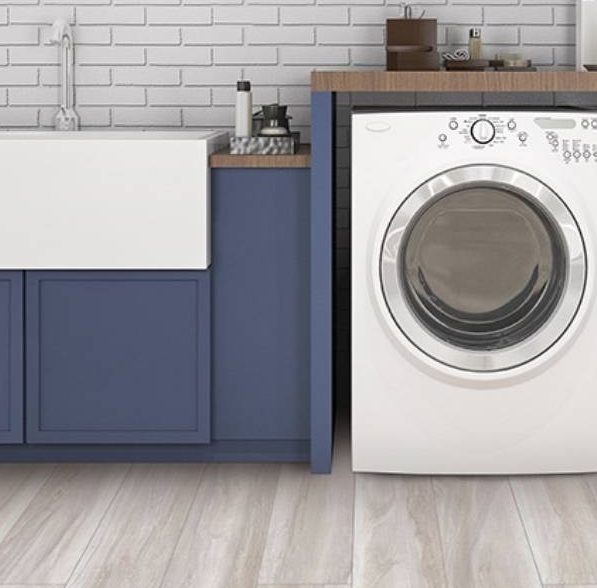
Write a routine: use non-slip entrance mats, felt pads or sliding mats under furniture, and lift heavy items. Remove spills promptly, use a lightly damp mop, and protect prolonged sun exposure with curtains or UV-filtering film. These measures come directly from our SPC care practice.
The cleaning contractor should test any new chemical in an inconspicuous area and avoid leaving detergent residue, which can attract soil or change perceived gloss. Furniture pads need periodic inspection because embedded grit can turn a protective pad into an abrasive contact point. Mats should be cleaned and allowed to dry, not left to trap moisture. These small controls are inexpensive and are easier to enforce when included in the handover manual.
Order attic stock from the same production run and record plank direction and batch information. Floating click installation may allow individual boards to be replaced; adhesive-fixed areas depend more on installer skill.
Before installation, the contractor should document substrate flatness and moisture conditions using methods appropriate to the substrate and local specification. The rigid core can bridge minor surface texture, but it cannot compensate for pronounced high spots or depressions. Poor preparation may concentrate stress at locking joints, create movement underfoot, or leave edges vulnerable. A small mock-up can verify plank layout, transitions, cleaning response, and acceptance criteria before the main area proceeds.
It suits offices, showrooms, corridors, hotel rooms and amenity spaces where wood character meets wet cleaning and rapid handover. It is less suitable where genuine solid-wood refurbishment, extreme point loads or unverified fire and slip performance are required; request project-specific testing.
The key limitation is that water resistance at the plank level does not automatically make the entire room assembly waterproof. Perimeters, doorways, penetrations, and substrate conditions still require detailing. Likewise, a timber image is not a substitute for the natural patina or refinishing potential of solid hardwood. Hardwood SPC flooring works best when the project values visual consistency, quick maintenance and modular replacement more than future sanding or material authenticity.
Confirm traffic class, wear-layer and core specifications, moisture and flatness limits, slip and fire reports, acoustic needs, underlayment, transitions, cleaning chemicals and spare-plank policy. Review a full-size sample under project lighting.
A: Yes, when the selected wear layer, traffic classification, substrate preparation, and installation method match the site conditions. Confirm the product rating with project-specific technical documentation.
A: Sweep or vacuum with a soft brush, then use a slightly damp microfiber mop and mild SPC cleaner. Avoid abrasive tools, harsh chemicals, and standing water.
A: Floating click installations may allow individual boards to be unlocked and replaced. Keep spare planks from the same production run and follow the installation instructions.
A: Routine SPC care does not require sanding, waxing, or refinishing. The wear layer is designed to protect the visual surface, while regular soil and grit control helps preserve its appearance.