For a hotel, retail store, or wholesale program, SPC floor selection is a performance decision as much as a design decision. Stone plastic composite construction combines a rigid core, a printed visual, and a protective wear layer in a plank that can be cleaned quickly and replaced in sections. This guide explains the specifications that matter, how to compare alternatives, and how we at UTOP SPC FLOOR help teams turn samples into a dependable flooring schedule.
Hotels need quiet, consistent floors across guest rooms, corridors, and back-of-house routes. Retail stores add rolling displays, concentrated footfall, and frequent grit at entrances. Wholesale projects need repeatable color, packaging, and lead-time control across many sites. Start with a traffic map, wet-zone plan and cleaning routine. Then select construction and accessories that can be repeated without improvisation.
For commercial SPC flooring, ask for the wear-layer thickness, abrasion or use classification, plank dimensions, locking profile, dimensional tolerances, slip data, and fire documentation required by the project jurisdiction. A thicker plank is not automatically stronger. The wear layer and core density, joint design, and substrate preparation all influence service life.
Most SPC flooring layers perform separate jobs. A UV-cured or polyurethane finish supports stain release and appearance. The transparent wear layer protects the decorative film. Embossing can align texture with a wood or stone image. Beneath it, the calcium carbonate and polymer core provides rigidity and resistance to indentation. An attached IXPE or EVA backing may improve underfoot comfort and impact sound. Yet it cannot flatten an uneven subfloor.
This stack explains why “spc flooring waterproof” claims need careful reading. The plank core is highly resistant to water. Yet a floor assembly can still fail at open joints, doorways, perimeter gaps, or a damp substrate. Detail transitions, keep water from standing, and follow the installation method for the selected locking system.
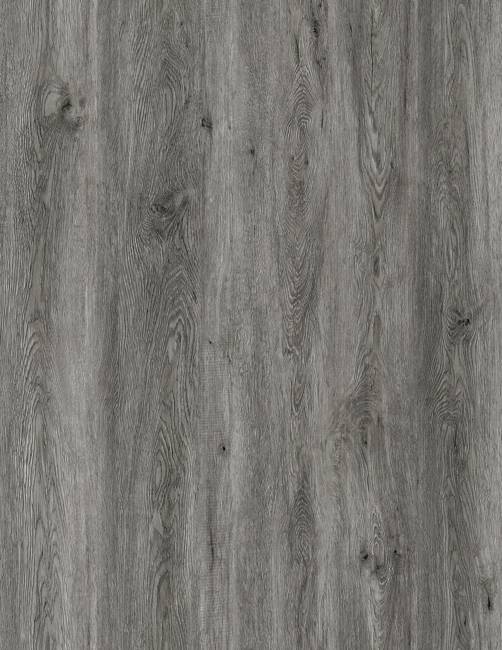
Wood-look SPC flooring works well when hospitality spaces need warmth without refinishing. Stone-look SPC flooring can give retail aisles or hotel lobbies a mineral visual with consistent plank replacement. Carpet-look SPC flooring provides a soft textile-inspired appearance and can help create a more comfortable and decorative atmosphere in areas such as offices, hotels, meeting rooms, and commercial spaces where carpet aesthetics are desired but easier maintenance is required.
A reliable SPC flooring installation begins with documented substrate conditions. Confirm flatness, dryness, cleanliness, and expansion requirements using the project specification and the manufacturer's instructions. Rigid core can bridge minor texture. But pronounced highs and lows concentrate stress at click joints and may cause movement or noise.
Floating click systems can shorten program schedules and make localized replacement practical. Adhesive-fixed systems may suit demanding layouts. They place more responsibility on adhesive selection, open time, and installer technique. Use approved transitions at doorways and changes in material. Plan acclimation, plank direction, stagger, and attic stock before the first room is closed.
The accessory schedule should include reducers, T-mouldings, end caps, stair noses, skirting or perimeter trims, and approved underlayment. Matching finishes prevent exposed edges from becoming trip points or visual distractions. For multi-site wholesale work, standardize accessory codes and carton labeling so installers can reorder the same solution.
For hotels, include room-turnover timing in the method statement. Identify when furniture returns, when wet cleaning can begin, and how spare planks will be stored without exposure to heat or moisture. For retail, protect the finished surface while shelving and gondolas are installed. Use a defined route for moving heavy displays. For wholesale programs, approve a master sample and retain a signed reference board so later shipments can be checked for color, embossing, and gloss before installation.
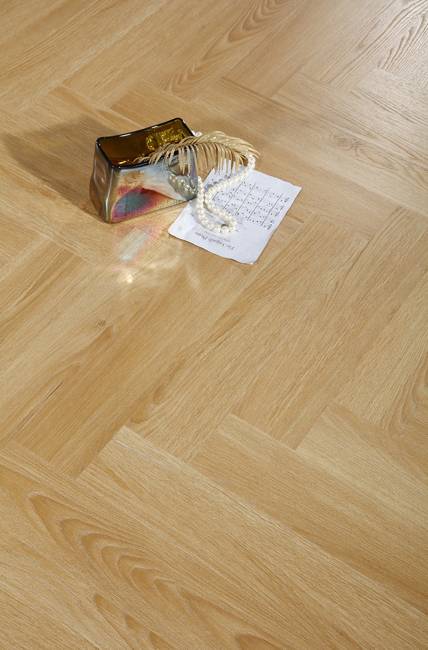
In SPC flooring vs laminate decisions, SPC generally offers better resistance to moisture and a more rigid feel. Laminate can provide a broad printed design range at a lower initial specification in some markets. Laminate remains dependent on a moisture-sensitive fiberboard core. Wet cleaning and perimeter detailing therefore deserve extra attention.
For WPC vs. SPC flooring, WPC uses a foamed, lighter core that can feel softer and warmer. SPC is denser and typically better suited to rolling loads and high-traffic commercial routes. WPC may be chosen where acoustic comfort and cushioning are priorities. Confirm test data rather than relying on category labels.
A capable SPC flooring supplier should provide construction drawings, technical datasheets, installation and care instructions, batch or color controls, sample approval records, and a replacement-plank policy. Ask how the supplier manages color consistency between production runs. Check whether the quoted accessory system is compatible with the locking profile.
At UTOP SPC FLOOR, we support project teams with coordinated SPC collections, wood and stone visuals, accessory planning, and practical care guidance. Our routine recommends soft-bristled sweeping or soft-brush vacuuming, followed by a slightly damp microfiber mop with mild SPC cleaner. Avoid abrasive pads, harsh chemicals, saturated mops, and prolonged standing water. Explore our SPC flooring collection, flooring accessories, and care guidance.
Traffic classification; wear layer and core data; moisture limits and flatness limits; slip reports and fire reports; acoustic requirements; method of installation; accessory compatibility; cleaning chemicals; sample sign-off; spare stock held; carton and pallet labeling; contact for technical support. This document should also include a small mock-up for approval of the layout, transitions, the cleaning response and the replacement procedure. This turns a visually attractive sample into a floor that operations teams can manage.
During handover, record the installed product code, batch information, room or zone locations and approved cleaning products. Photograph transitions and service penetrations before furniture covers them. A short staff briefing should explain dry-soil removal, spill response, furniture protection and the limits of water resistance. These records reduce disputes between the owner, installer, and cleaning contractor and make future maintenance decisions faster.
A: Yes. SPC floor is suitable when the selected wear layer, traffic classification, substrate preparation, and installation method match the site conditions. Hotels should pay attention to rolling luggage, corridor traffic, and cleaning frequency. Retail stores should also evaluate display racks, carts, and concentrated loads.
A: Yes, SPC flooring has a water-resistant rigid core. Yet the entire flooring system is not automatically waterproof. Water can still enter through open joints and perimeter gaps, as well as through doorways, thresholds, and substrates that have not been properly prepared for flooring installation. Good flooring installation, proper flooring transitions, and prompt cleanup of spills and messes are required to keep water out of the flooring system.
A: The key layers are the surface finish, transparent wear layer, decorative film, embossed texture, and rigid SPC core. Some products also include IXPE or EVA backing. Each layer affects appearance, abrasion resistance, comfort, sound performance, and dimensional stability.
A: Loose soil must be removed from the floor using a soft brush or a soft-brush vacuum. Then the floor must be cleaned with a slightly damp microfiber mop and a mild SPC cleaner. When cleaning SPC surfaces, care must be taken not to use any abrasive tools or strong chemicals. Excessive water and standing moisture must also be avoided. Entrance mats and furniture pads can prevent a lot of grit from getting onto the floor and scratching it.
A: Floating click installation may allow individual planks to be unlocked and replaced. Keep spare planks from the same production run and record the installation direction. Adhesive-fixed floors may require a different repair process and should be handled according to the installation instructions.


