In hot and humid climates, making the right flooring selection is essential for comfort and energy efficiency. Choosing an appropriate flooring not only keeps your home cool and comfortable year-round but also helps with insulation and energy savings.
Ceramic tile is one of the best choices for humid regions. It’s durable, easy to maintain, and has very low moisture absorption. Unlike wood, ceramic tile doesn’t warp or swell with temperature or humidity changes, offering a long-lasting and attractive flooring solution.
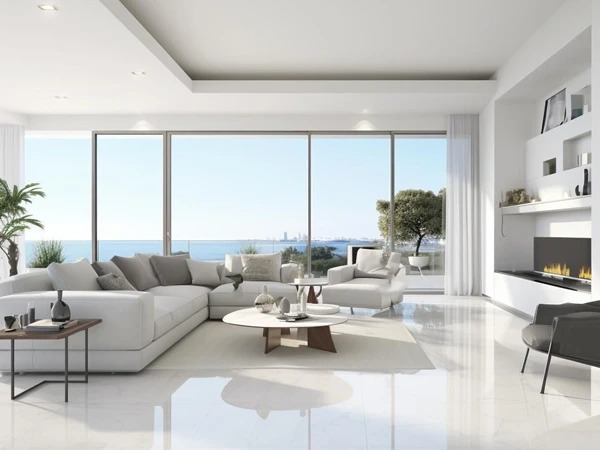
Vinyl flooring is an excellent waterproof alternative to hardwood. It performs well in humid environments. It is durable, and comes in a variety of styles. However, for optimal performance, indoor temperatures should stay below 27 °C (82 °F) and relative humidity between 30% and 70%.
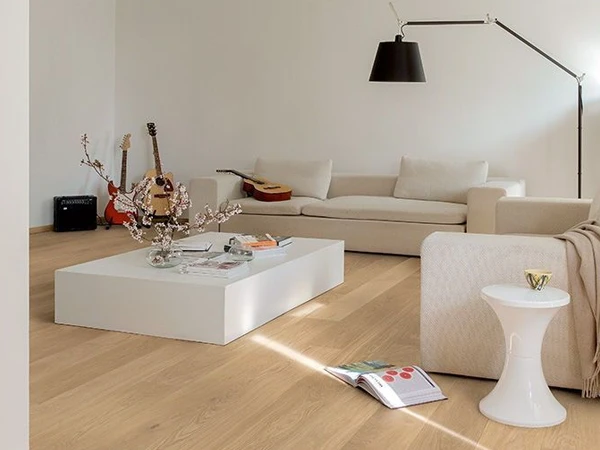
If you love the natural look of wood, waterproof engineered hardwood is a great compromise. It combines a real hardwood surface with a waterproof vinyl core, providing both beauty and functionality. Even so, proper moisture control is still important in extremely humid areas to prevent potential damage.

While solid hardwood isn’t ideal for high humidity, it can be used in moderately humid climates with proper precautions. Let the wood acclimate before installation, and use curtains or blinds to reduce sunlight exposure and prevent heat or UV damage.
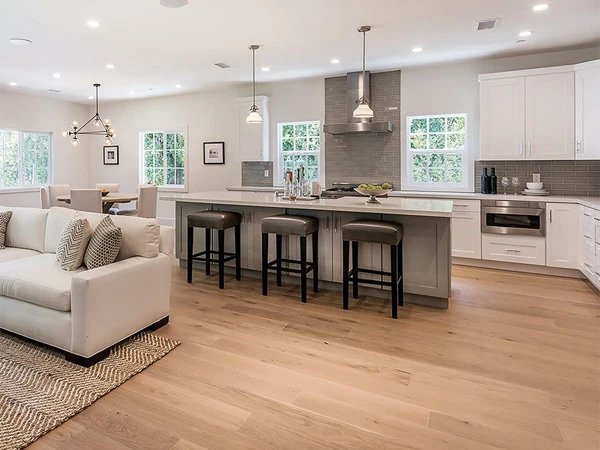
When selecting flooring, always consider your local climate and seek professional advice to ensure the best choice for your space. With thoughtful selection, you can create a comfortable, durable, and beautiful living environment in any room of your home.